Art Paper, Black Core, Blue Core, PVC: Choosing the Right Material for Playing Cards
Art paper is cheap but creases easily. Black core stops show-through and shuffles like a casino deck. Blue core is a mid-range compromise. PVC survives poolside poker nights. Jinayon doesn't push one stock—they send side-by-side samples so you can feel the difference before committing.
| How Jinayon Helps You Choose the Right Card Stock for Custom Playing Cards
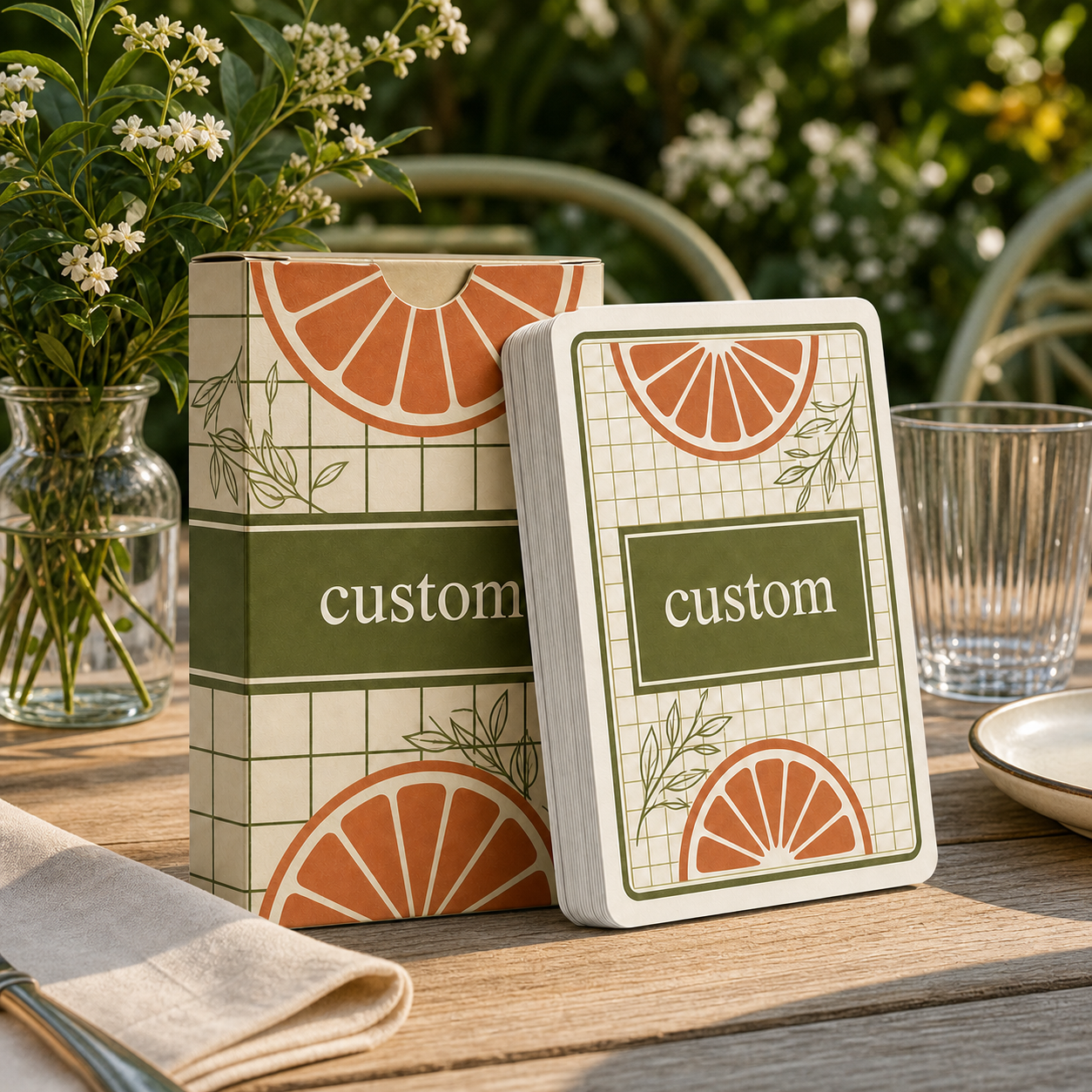
Anyone who has ordered custom playing cards or card games knows how big an impact card stock choice makes. Pick the wrong material, and your cards can feel flimsy, bend easily, stick together when shuffled, or start to look worn after just a handful of plays. We get this question almost every week from our clients at Jinayon: "What card stock should I use for my project?" It's not a one-size-fits-all answer. Art paper, black core, blue core, and PVC are four of the most common options we work with, and each one serves a different purpose for custom card games, promotional decks, board game cards, collectible playing cards, and luxury branded decks.
| Art Paper Cards: Jinayon's Budget-Friendly Option for Promotional Decks
Let's start with art paper, the most budget-friendly option on this list. Art paper cards are what you'll often see on simple promotional cards, event giveaway decks, and low-cost family game sets. This stock has a smooth coated surface that brings colors and artwork out nicely, and it works great if your main priority is keeping production costs down for large runs. The trade-off is durability. Art paper lacks the rigid middle layer you find in core stock cards. It will mark and crease faster with frequent shuffling, and it's not water-resistant at all. We usually suggest art paper for one-off marketing swag, wedding favor cards, or educational card games that won't be handled heavily over time. It's a solid starting point for creators testing out a new card game concept with a smaller budget prototype.
| Why Black Core Stock Is Jinayon's Top Pick for Premium Custom Decks
Next up are black core playing cards, easily our most popular pick for premium custom decks and serious tabletop game projects. Black core stock features a solid black middle layer sandwiched between two printed paper sides. That black core is there to stop show-through, so you won't be able to see hints of the back design bleeding onto the front, even with thin ink coverage. It has a satisfying stiffness, fans smoothly, and holds up really well to repeated shuffling. Cardists, indie board game designers, and brands making high-end collectible playing cards keep coming back to black core for that luxury, casino-style feel. If you're building a retail card game, a magic trick deck, or a premium branded playing card set that customers will use regularly, black core is usually our top recommendation. We pair it with different surface finishes like linen texture or smooth gloss, which further shapes the shuffle feel.
| Blue Core Stock: Jinayon's Balanced Choice for Mid-Range Card Games
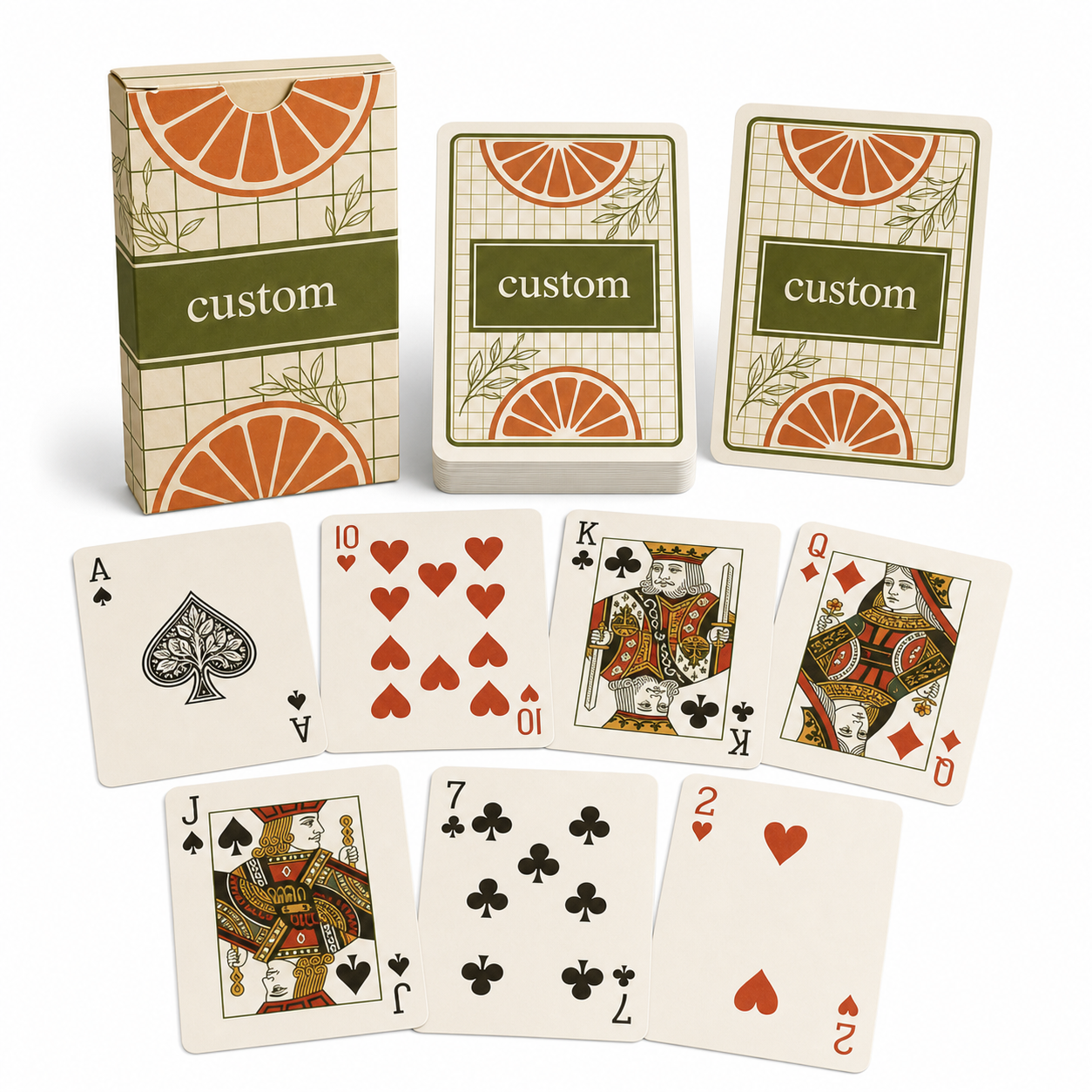
Blue core stock sits somewhere between art paper and black core in both price and performance. The inner core layer is blue instead of black, and it still blocks some level of show-through, though not quite as effectively as black core. A lot of clients choose blue core when they want better rigidity than standard art paper but don't need the full premium grade of black core. It works wonderfully for mid-range educational card games, children's tabletop games, and bulk custom decks where you want a better hand feel without jumping to the highest price tier. Many overseas toy brands we partner with like blue core for kids' card games; it's sturdy enough for young hands, offers clean print results, and keeps the project within a reasonable budget.
| PVC Playing Cards: Jinayon's Waterproof Option for Heavy-Duty Use
Then we have PVC playing cards, the heavy-duty waterproof option. PVC is a plastic-based material, so these cards are water-resistant, wipeable, and incredibly hard to tear. You'll find PVC decks used for outdoor games, beach sets, poker nights near pools, and long-lasting promotional cards meant to survive messy conditions. They have a very different slip and feel compared to paper stock. Some players love the slick shuffle of PVC, while others find it takes time to get used to. One detail to note: PVC has different printing limitations than paper stocks, and certain special finishes or fine artwork need to be adjusted for plastic card production. We often recommend PVC for hospitality brands, outdoor activity game sets, and corporate clients looking for durable decks that stand up to harsh environments.
| How Jinayon Matches Card Stock to Your Use Case, Budget, and Audience
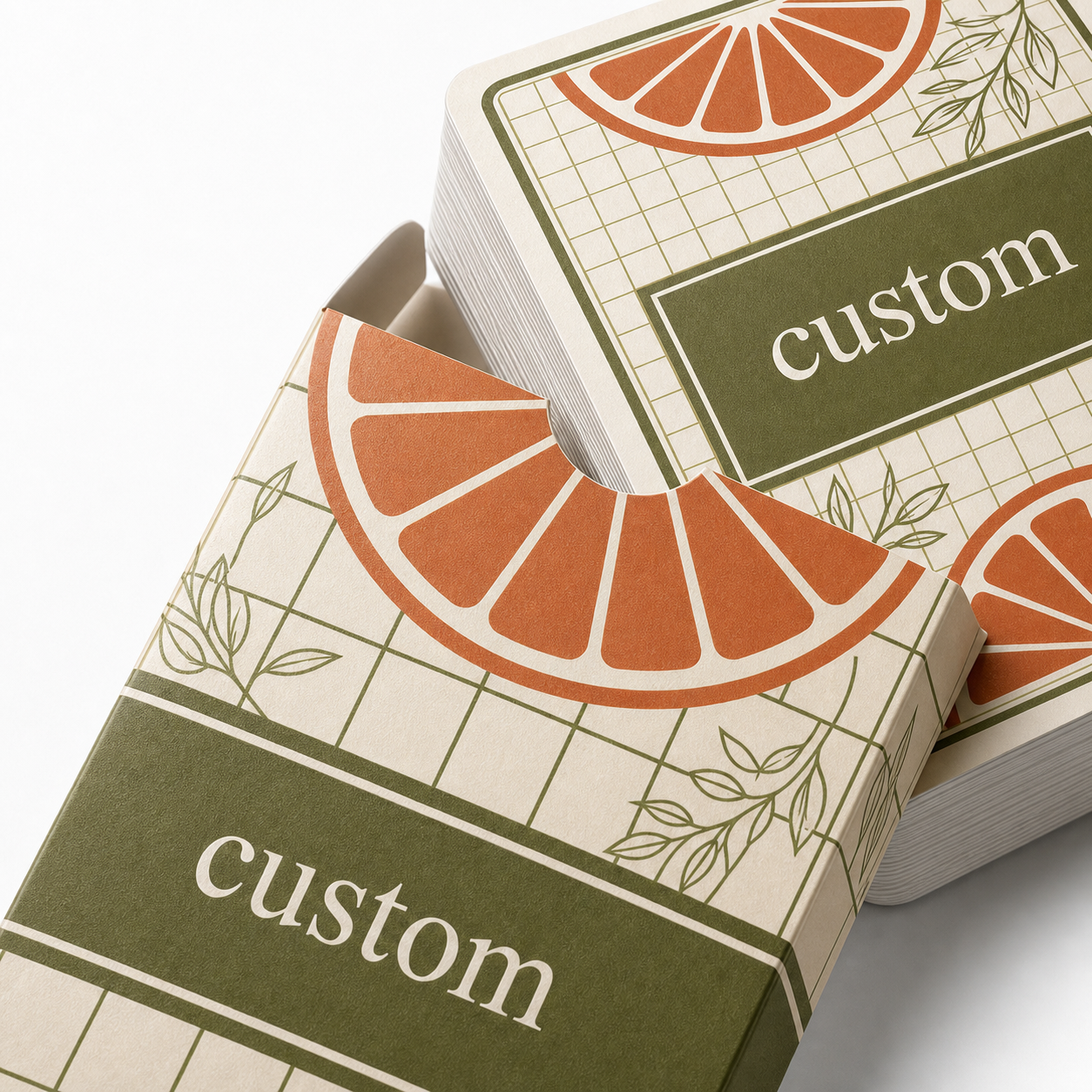
At Jinayon, we don't push one material over another blindly. Before we lock in a card stock, we ask our clients about their use case, target audience, expected play frequency, budget, finish preferences, and regional compliance requirements. A card deck made for casual party games has very different needs than a collectible card deck for cardistry, just as a kids' matching game differs from a waterproof travel poker set. We can produce samples with each material side by side so you can touch, shuffle, and compare the weight and texture before mass production.
| Contact Jinayon for Card Stock Samples and Custom Card Production Advice
The custom playing card market keeps evolving, and we see more creators experimenting with mixed stock runs, specialty textures, and eco-friendly coating options alongside these classic materials. Whether you are designing a new board game accessory deck, branded promotional playing cards, luxury collectible cards, or family-friendly card games, your stock choice is one of the foundational decisions that shapes the final product quality. If you are unsure which material fits your next custom card project, reach out to our team, and we can walk you through sampling and production timelines.
FAQ
Q: Which card stock does Jinayon recommend for a premium custom playing card deck?
A: Black core. It has a solid black middle layer that blocks show-through, so the back design doesn't bleed onto the front. It's stiff, fans smoothly, and holds up to repeated shuffling—the kind of feel cardists and indie board game designers keep coming back for. They pair it with different surface finishes like linen texture or smooth gloss to fine-tune the shuffle feel.
Q: When would Jinayon suggest art paper instead of black core?
A: Art paper is the budget-friendly option. It's fine for promotional decks, event giveaways, wedding favors, or educational card games that won't be handled heavily. It prints colors nicely but lacks the rigid core layer, so it creases faster and isn't water-resistant. Good for testing a concept with a smaller budget before committing to a premium stock.
Q: What's the difference between blue core and black core playing cards from Jinayon?
A: Blue core is a mid-range choice. It has a blue inner layer that blocks some show-through, though not as effectively as black core. It's more rigid than art paper but less premium than black core. Jinayon often recommends it for kids' card games, mid-range educational decks, or bulk orders where you want better hand feel without jumping to the highest price tier.