Jinayon Anti-UV Varnish Solution: How Export Custom Boxes Can Delay Fading at a Cost of Cents per Square Meter
Sunlight fades bright reds and purples faster than blacks and earth tones. Jinayon's anti-UV varnish adds just cents per square meter, applied inline during finishing, and slows pigment breakdown without changing the matte look. They run xenon arc tests and share Delta E reports before shipping
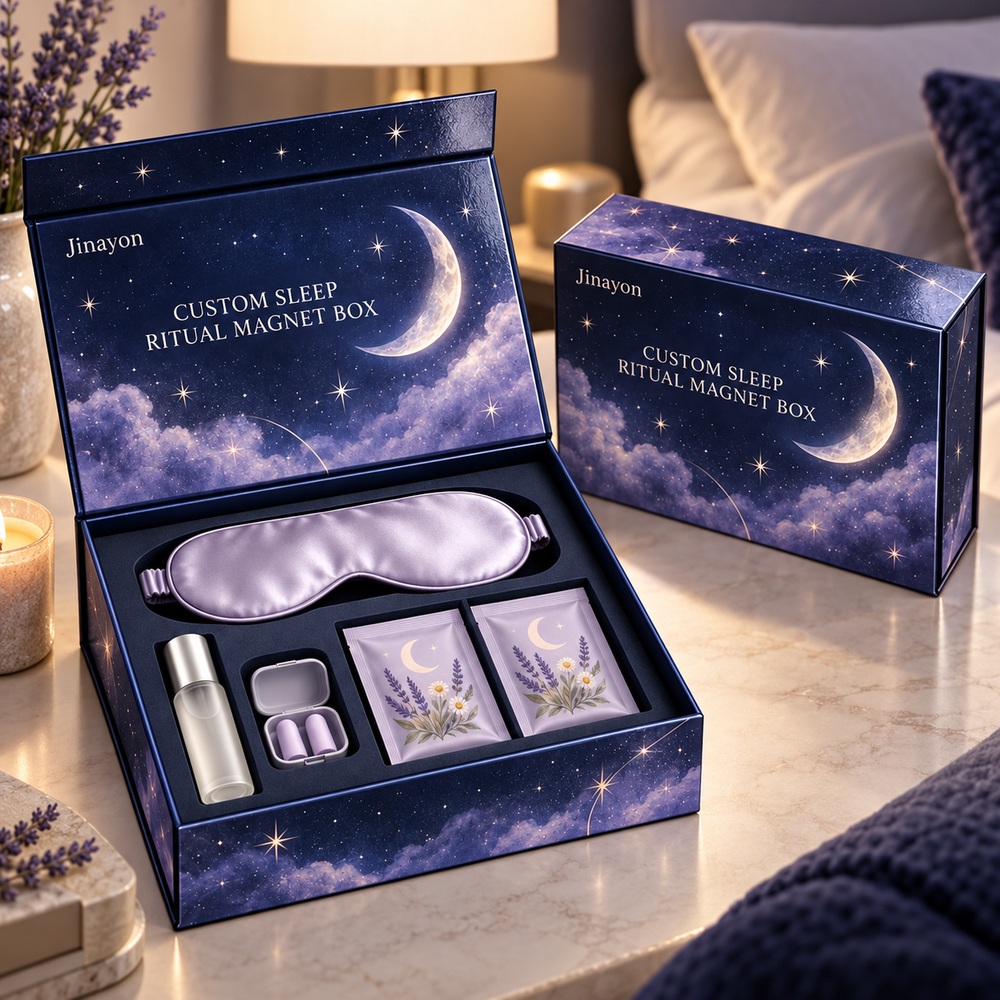
| Why Print Fading Hurts Export Packaging — and How Jinayon's Anti-UV Varnish Helps
If you sell custom printed boxes for board games, gift sets, or educational toys into overseas retail markets, you've likely run into the quiet, costly issue of print fading. Many brands invest heavily in rich artwork, carefully selected Pantone colors, and premium box structures, only to discover muted, washed-out graphics once goods sit under retail display lights or sunny warehouse windows for weeks. This complaint comes up again and again for Kickstarter creators, small tabletop publishers, and gift brands exporting to North America, Australia, and Southern Europe, where strong natural light and continuous shelf lighting speed up pigment breakdown. Most buyers assume fade protection must mean expensive specialty laminates or upgraded pigment inks, but our anti-UV varnish finish at Jinayon offers a far more budget-friendly workaround: it adds just a few cents per square meter while dramatically slowing color degradation for export-ready custom packaging.
| How Jinayon's Anti-UV Varnish Works Like Sunscreen for Printed Cardboard
Anti-UV overprint varnish works a little like sunscreen for your printed cardboard. Formulated with UV absorber additives mixed into a clear, low-VOC coating, it catches and dissipates ultraviolet light before those high-energy rays reach the ink layer underneath. Standard water-based or regular UV varnish offers almost no defense against this photodegradation, which is why two identical boxes sitting side by side on a shop shelf can look drastically different after a couple of months. It is important to set realistic expectations here: anti-UV varnish does not stop fading forever. It extends lightfastness, stretching the retail display window so your packaging maintains consistent color saturation through distribution, shelf rotation, and end-consumer storage. For most export packaging projects, including rigid board game boxes, sensory card tuck boxes, and seasonal gift packaging, this level of protection hits exactly the sweet spot brands need.
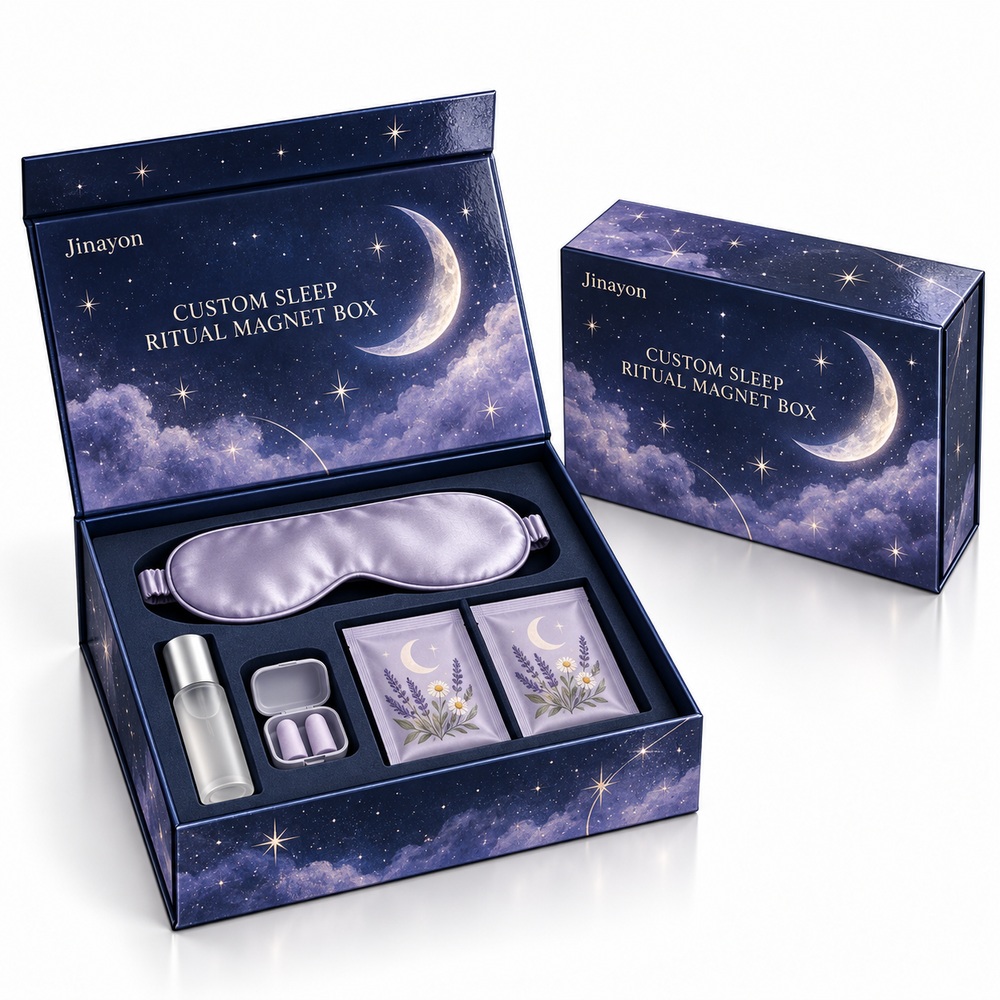
| Why Jinayon's Anti-UV Varnish Adds Only Cents per Square Meter
What makes this solution stand out from other anti-fade upgrades is its surprisingly low incremental cost. Unlike switching to lightfast specialty inks or upgrading to full anti-UV BOPP lamination, which adds a noticeable premium per unit, anti-UV varnish applies inline during the finishing stage of offset printing. The extra material cost works out to only cents for every square meter of printed surface, so even large print runs see minimal impact on your total quotation. This is a huge advantage for brands running tight packaging budgets, especially tabletop designers working with fixed Kickstarter funding or seasonal gift brands rolling out limited holiday lines. It also fits neatly with existing production workflows at our Yiwu factory; we do not need extra lamination machinery or lengthy setup changes, so lead times stay predictable for sea freight export schedules.
| How Jinayon Tests Anti-UV Varnish with Accelerated Lightfastness Testing
Our in-house QC team does not rely on supplier datasheets alone. Every time we introduce anti-UV varnish for a new client artwork, we run accelerated lightfastness testing in our lab. We expose coated and uncoated sample swatches side by side under xenon arc test lamps, recording Delta E color shift values over scheduled cycles to simulate months of retail lighting exposure. We also document test reports alongside finish samples, which helps brands satisfy retailer audit requirements and gives clarity for markets with strict packaging quality standards. One detail we always share openly: the protection level varies by ink color. Bright reds, purples, and photo-realistic gradient prints fade much faster than neutral blacks and earth tones, so we often recommend full-surface anti-UV varnish for artwork heavy in those unstable pigments, while spot coating can be enough for simpler graphic layouts to keep costs even lower.
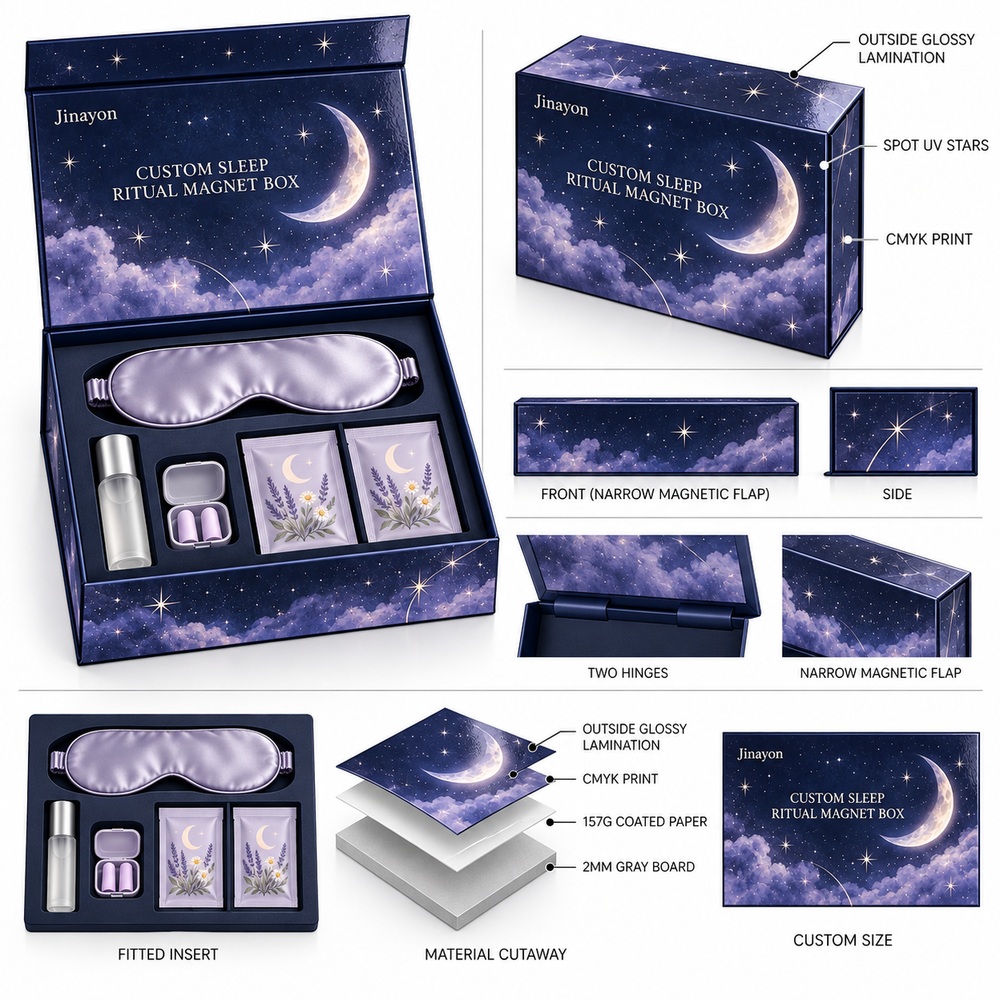
| Anti-UV Varnish vs. Spot UV: What Jinayon Wants Export Brands to Know
Many packaging buyers mix up anti-UV varnish with conventional spot UV coating, and the difference matters a lot for export packaging. Spot UV creates a glossy raised visual effect for branding highlights; it is decorative first. Our anti-UV varnish is a functional, mostly clear overcoat whose primary job is light stability. It can be formulated in matte or gloss versions to match your existing finish, so it will not ruin the soft matte aesthetic you chose for premium board game boxes or luxury gift packaging. It also pairs well with other surface treatments we commonly apply, such as anti-scratch matte lamination, as long as we sequence coating and lamination correctly during production. This flexibility means you can stack multiple protective functions—scratch resistance, moisture resistance, and UV fade control—without redesigning your whole packaging plan.
| Why Anti-UV Varnish from Jinayon Is a Low-Cost Safeguard for Overseas Shipments
For export-focused brands, the financial benefit goes beyond saving a small per-square-meter finishing fee. Faded packaging triggers retailer complaints, return requests, and negative social media feedback that erodes brand trust. When you ship a 20-foot container of custom game boxes overseas, you cannot easily reprint and replace stock once it lands at a foreign warehouse. Adding anti-UV varnish at Jinayon is a low-risk, low-cost safeguard that preserves the visual integrity of your packaging all the way from our Yiwu production floor to retail shelves abroad. It fits board game packaging, puzzle boxes, Montessori educational toy sets, seasonal gift boxes, and custom retail cartons of all sizes.
| Contact Jinayon for Lightfastness Samples and Anti-UV Varnish Pricing
If your custom box line is heading for overseas retail and you are worried about artwork fading under display lights, get in touch with our team at Jinayon. Share your print files, target export regions, and budget targets, and we can prepare lightfastness test samples and break down the exact per-square-meter cost for anti-UV varnish. It is a small finishing investment that keeps your brand colors true for longer, without blowing up your packaging budget.
FAQ
Q: How does anti-UV varnish from Jinayon actually work to slow fading?
A: It's like sunscreen for cardboard. UV absorber additives in a clear coating catch and dissipate ultraviolet light before it reaches the ink layer underneath. Standard varnish offers almost no defense against photodegradation. Anti-UV varnish extends lightfastness—stretching the retail display window so colors stay saturated through distribution and shelf rotation. It doesn't stop fading forever, but it hits the sweet spot for most export packaging.
Q: Is anti-UV varnish more expensive than other anti-fade options?
A: Much cheaper. Switching to lightfast specialty inks or full anti-UV BOPP lamination adds a noticeable premium per unit. Anti-UV varnish applies inline during offset printing, adding only cents per square meter. Even large print runs see minimal impact on the total quotation. For Kickstarter creators or seasonal gift brands on tight budgets, it's a practical safeguard without blowing up packaging costs.
Q: Does anti-UV varnish change the matte look of my packaging?
A: No. It can be formulated in matte or gloss versions to match your existing finish. It won't ruin the soft matte aesthetic you chose for premium boxes. It also pairs well with other treatments like anti-scratch matte lamination, as long as Jinayon sequences coating and lamination correctly during production. You can stack scratch resistance, moisture resistance, and UV fade control without redesigning your whole packaging plan.