Jinayon Paper-Based Water and Oil Barrier Coatings: Recyclable Card Box Solutions Now Ready for Mass Production
PE lamination blocks recycling. Jinayon's water-and-oil barrier coating protects card boxes from grease and condensation without turning them into plastic composites—repulpable, PFAS-free, PPWR-aligned. After hundreds of trial batches, it's now stable for mass production, with test docs for complian
| Jinayon's Water and Oil Barrier Coating: A Recyclable Alternative to PE Lamination
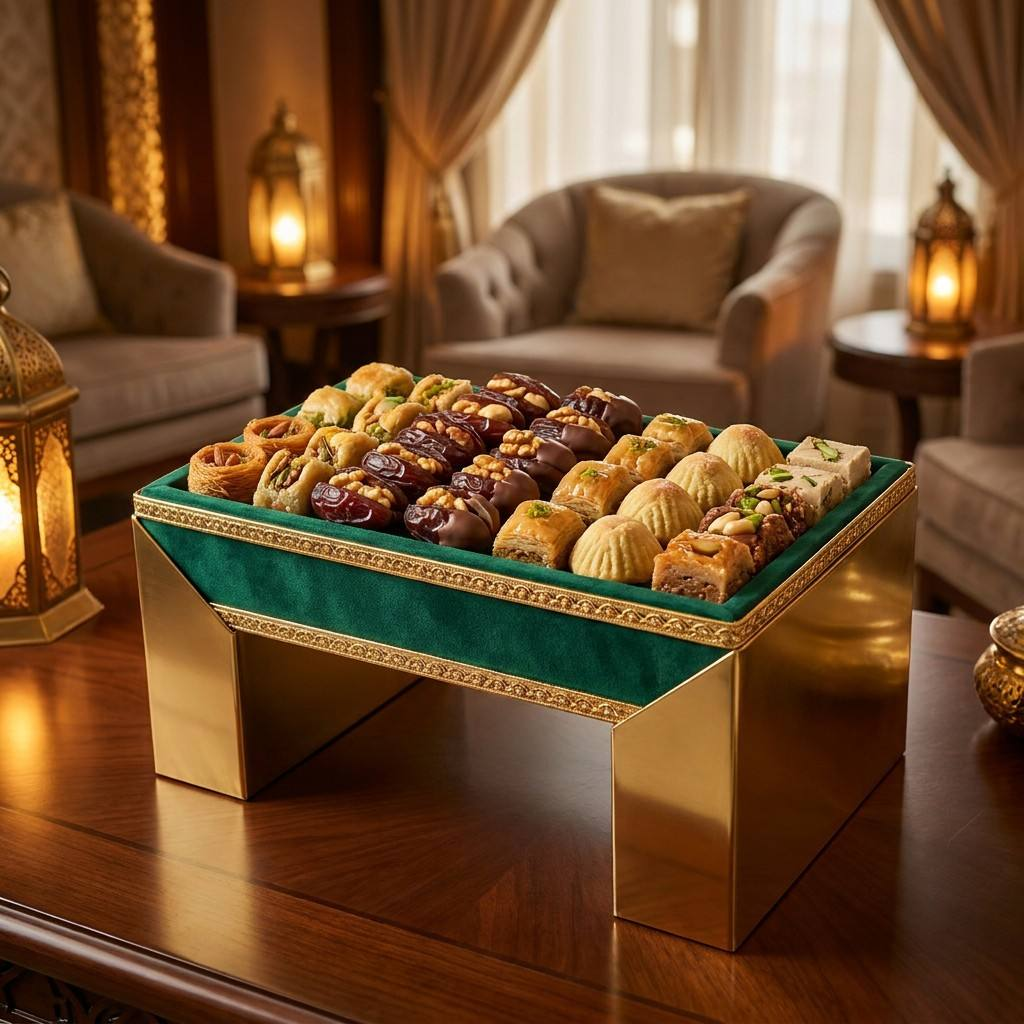
If you have been hunting for a practical replacement for traditional PE lamination or fluorinated grease-resistant treatments for your custom card boxes, you know how tricky it is to balance barrier performance, print quality, and recyclability all at once. Many eco-friendly packaging concepts look promising in lab samples, yet fall apart when pushed to high-speed converting, offset printing, and stacked logistics—which is why so many brands exporting to the EU have been stuck with composite packaging that fails PPWR design-for-recycling rules. At Jinayon, after rounds of material screening, pilot runs, and real-condition stability testing, our paper-based water and oil barrier coating system is finally fully validated and open for mass production. This aqueous, fibre-compatible coating creates a protective layer on paperboard without locking the substrate into a non-separable plastic composite, making it ideal for food-safe rigid boxes, gourmet gift packaging, board game component boxes, and retail-ready packaging where grease, condensation, and surface moisture are constant risks.
| Why Jinayon's Barrier Coating Balances Grease Resistance with True Repulpability
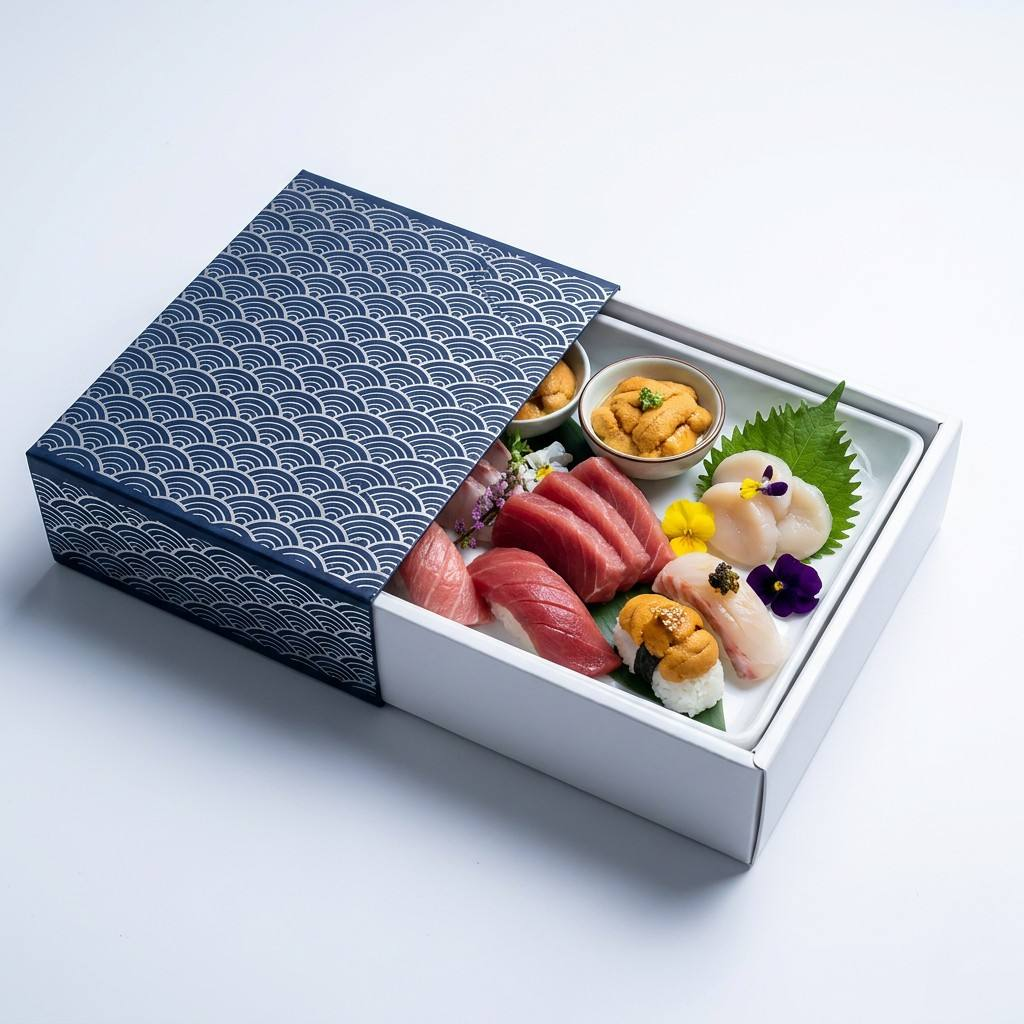
What sets this barrier coating apart from cheaper, generic water-based alternatives is its balanced dual barrier performance paired with true repulpability. Unlike standard wax coatings that block oil but ruin print adhesion, or PVOH-only formulas that lose water resistance under high humidity, our tuned formulation delivers reliable grease resistance while keeping Cobb water absorption within controlled thresholds. It does not introduce PFAS or non-recyclable plastic fragments into the paper fibre stream. When the coated card box reaches recycling facilities, the coating breaks down naturally during repulping, so the pulp can be recovered and reused for new paper packaging stock instead of being sorted as residual waste. This matters hugely for brands working on EPR compliance and circular packaging roadmaps; it lets you market your boxes as plastic-free recyclable packaging without greenwashing claims that cannot stand up to third-party audit and recyclability testing. We have tested the coating on multiple paperboard grades, from coated art board to kraft chipboard, so it fits most custom rigid box specifications our customers regularly order.
| How Jinayon Scaled Its Barrier Coating from Sampling to Stable Mass Production
Scaling a barrier coating from small sampling to stable mass production is where most converters stumble, and this is the phase we invested the most time refining inside our Yiwu factory. Coating uniformity, drying consistency, post-coating flatness, and compatibility with downstream processes such as offset printing, hot stamping, die-cutting, and folding are all easy to mess up if line speed, coating weight, and oven temperature are not tightly calibrated. Our production team ran hundreds of trial batches to lock in operating windows, adjusting roll tension and drying profiles to minimize curling, pinholes, and surface blocking—the three most common defects that ruin barrier packaging runs. Now the coating can be applied inline before printing, or as a post-print top coat depending on your artwork and protection needs, and it integrates smoothly with our existing rigid box production workflow without forcing brands to redesign their packaging structure or extend lead times unreasonably.
| Jinayon Designs Its Barrier Coating for Real Export and Supply Chain Conditions
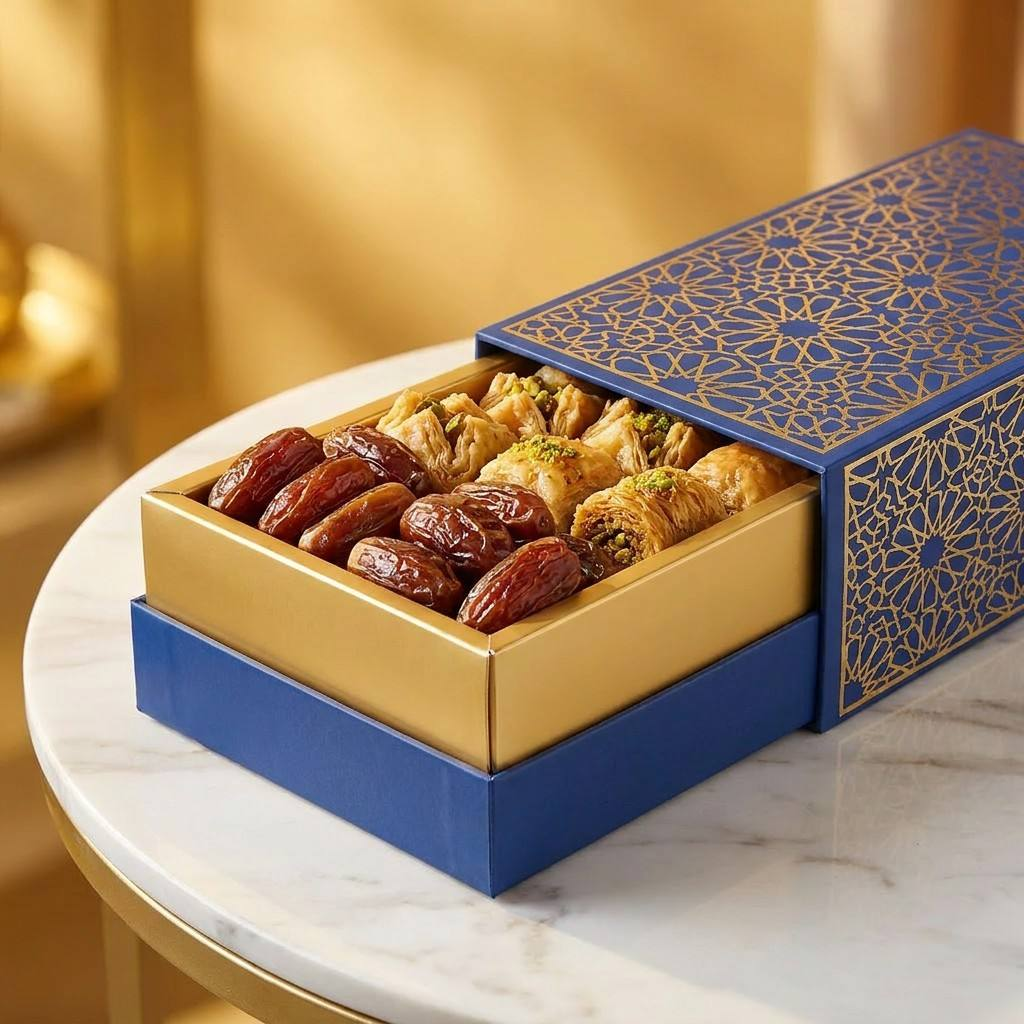
We also designed this recyclable barrier solution with real supply chain and export conditions in mind. Many custom boxes carry oily snacks, chocolate, spices, cosmetics, or board game accessories that can leak minor oils, while ocean shipping containers and warehouse temperature swings bring condensation that weakens ordinary uncoated paperboard. Our coated card boxes hold up through container transit, pallet stacking, and retail shelf exposure, yet remain far lighter and easier to recycle than plastic-laminated alternatives. For brands targeting European markets, the formulation aligns with current PPWR packaging classification expectations and food contact requirements, which removes a major headache for importers worried about border compliance checks and rejected shipments. We can supply full test documentation including grease kit tests, Cobb values, repulpability reports, and food contact certificates for your compliance file—something many small coating suppliers struggle to provide consistently.
| Why Jinayon's Inline Coating Keeps Sustainable Packaging Costs Predictable
Cost predictability is another reason we believe this solution will resonate with packaging buyers. Sustainable packaging upgrades often come with unpredictable price jumps, but our inline coating process avoids extra lamination steps and expensive specialty films, keeping the premium over standard uncoated board manageable for mid-to-large batch orders. Since we are a one-stop custom packaging and board game box manufacturer, you do not need to coordinate separately with a coating supplier, printer, and box maker; Jinayon manages substrate selection, coating application, decorative finishing, structural die-cutting, and final box assembly under one roof. This tight control cuts communication gaps and reduces the risk that your barrier packaging samples look perfect but mass-produced stock arrives with inconsistent protection or ruined graphics.
| Request Barrier-Coated Samples and Custom Testing from Jinayon
If you are ready to swap out non-recyclable laminated boxes but are hesitant to commit to unproven green packaging technology, we invite you to request coated paperboard samples matched to your exact box design and contents. We can run custom performance testing tailored to your product, whether you need moderate grease resistance for gourmet gift sets or enhanced moisture protection for humid-climate retail distribution. At Jinayon, we keep building practical, production-ready sustainable packaging innovations that match global regulatory trends without sacrificing the protection, aesthetics, and reliability your brand needs to ship products safely worldwide.
FAQ
Q: What makes Jinayon's water and oil barrier coating different from traditional PE lamination?
A: PE lamination locks paper into a non-separable plastic composite, which fails PPWR design-for-recycling rules. Jinayon's coating is aqueous and fibre-compatible—it creates a protective layer on paperboard without plastic fragments. When the box reaches a recycling facility, the coating breaks down during repulping, so the pulp can be recovered and reused. It's a true recyclable alternative, not just a marketing claim.
Q: Does the barrier coating compromise print quality or finishing options?
A: No. Jinayon's formulation is compatible with offset printing, hot stamping, die-cutting, and folding. It can be applied inline before printing or as a post-print top coat, depending on your artwork and protection needs. Unlike wax coatings that block oil but ruin print adhesion, this coating keeps graphics crisp while delivering reliable grease resistance. It integrates smoothly with existing rigid box production workflows.
Q: How did Jinayon scale this coating from lab samples to stable mass production?
A: Through hundreds of trial batches to lock in operating windows—adjusting roll tension, drying profiles, and coating weight to minimize curling, pinholes, and surface blocking. These are the three most common defects that ruin barrier packaging runs. The team refined coating uniformity, drying consistency, and post-coating flatness. Now the coating can be applied inline without forcing brands to redesign their packaging structure or extend lead times unreasonably.