Paper, Plastic, or EVA? Choosing the Right Insert for Your Board Game Box
Paper inserts are recyclable but weak on impact. RPET plastic gives precise cavities for dozens of tokens but needs mould tooling. EVA foam protects painted miniatures but adds weight and cost. Jinayon sends side-by-side samples so you can feel the trade-offs before locking your insert design.
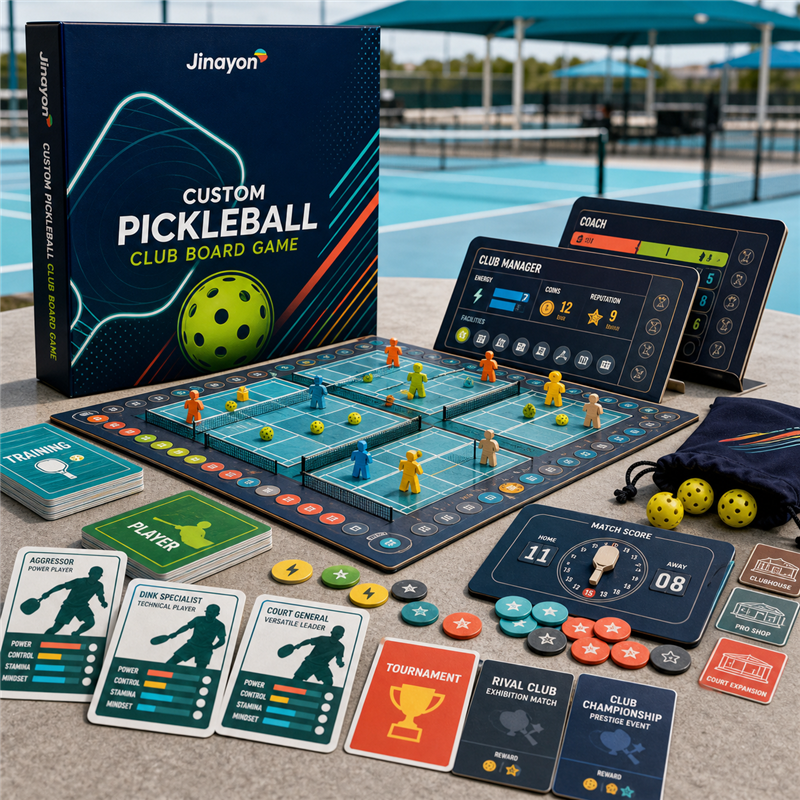
| Why Board Game Inserts Matter — and How Jinayon Matches Them to Your Project
If you've spent time connecting with backers on Kickstarter or refining component lists for your next tabletop release, you already know small packaging choices shape how players judge your game. A poorly fitted board game insert leads to jumbled tokens, bent sleeved cards, and frustrated buyers leaving negative reviews. With growing focus on sustainable tabletop packaging and tighter international rules like EU PPWR, picking between paper, vacuum-formed plastic, and EVA foam inserts is no longer just a budget call. It ties into your brand story, shipping logistics, and the unboxing moment that tabletop hobbyists share across social platforms. At Jinayon, our Yiwu manufacturing team works daily with indie creators and established board game publishers to match inserts to their unique project goals.
| Paper and Chipboard Inserts: Jinayon's Plastic-Free Option for Eco-Conscious Games
Paper and chipboard inserts remain the go-to pick for brands leaning into plastic-free board game trends. Made from die-cut recycled board or molded pulp, these simple divided trays fit card-heavy party games, educational tabletop sets, and mid-range releases perfectly. They are fully curbside recyclable, lightweight enough to keep ocean freight costs in check, and easy to adjust during prototype sampling. The trade-off is limited impact protection: paper dividers warp easily in humid transit conditions and cannot cradle irregular, heavy, or painted pieces such as metal coins and detailed miniatures. Still, for many small-batch Gamefound campaigns, paper inserts strike a clean, earth-friendly balance that resonates strongly with eco-conscious backers.
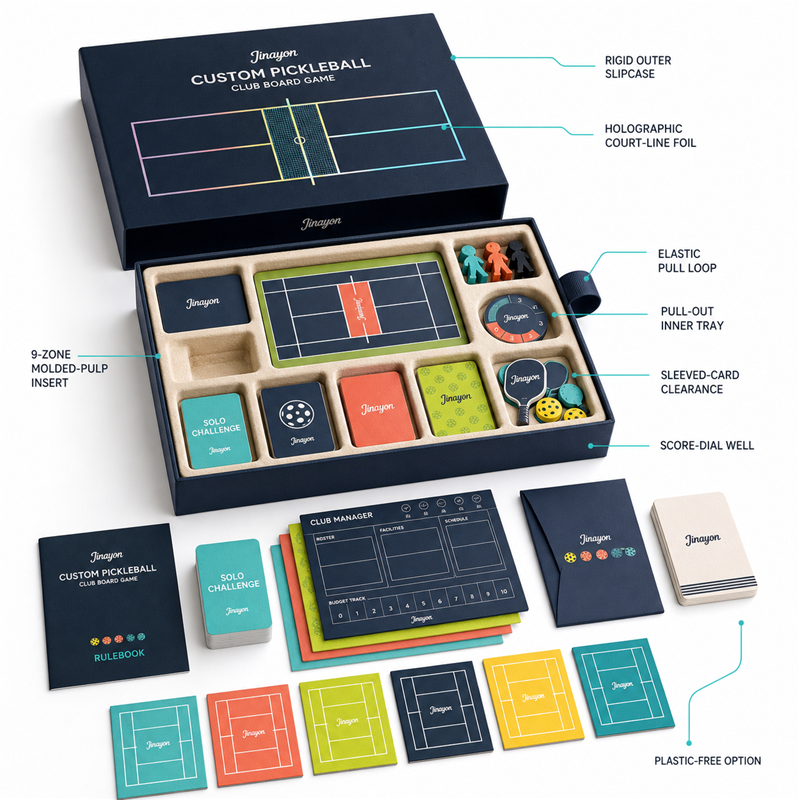
| Vacuum-Formed RPET Inserts: Jinayon's Choice for Precise Component Cavities
Vacuum-formed RPET plastic inserts shine when you need crisp, precise cavities for dozens of unique board game components. Every resource token, tracker, and character stand sits locked in its own slot, so nothing shifts around inside the box during warehousing and retail distribution. Many classic mass-market board games rely on this style for its consistent, polished look. That said, custom thermoforming requires dedicated mould tooling, which makes it less practical for limited runs and frequent design tweaks. It also adds compliance work for brands selling into Europe, where plastic packaging reporting requirements continue to tighten. Plastic trays work best when you have locked artwork, stable production volumes, and prioritize neat component visibility over zero-plastic branding.
| Custom EVA Foam Inserts: Jinayon's Premium Protection for Deluxe Editions
For deluxe editions, wargames, and collector-grade tabletop products, custom EVA foam inserts deliver that premium protective experience serious hobby players seek. Precision-cut foam recesses wrap gently around painted miniatures, dice sets, and stacked sleeved playing cards, absorbing knocks and vibration on long shipping routes. It is easy to design modular layouts that leave extra space for future expansions, a feature many board game fans actively look for. The downsides are higher per-unit pricing and added box weight that pushes up courier quotes. We often walk clients through bio-based EVA alternatives if sustainability is a core selling point for their premium line.
| How Jinayon Balances Protection, Audience, and Market When Choosing Insert Material
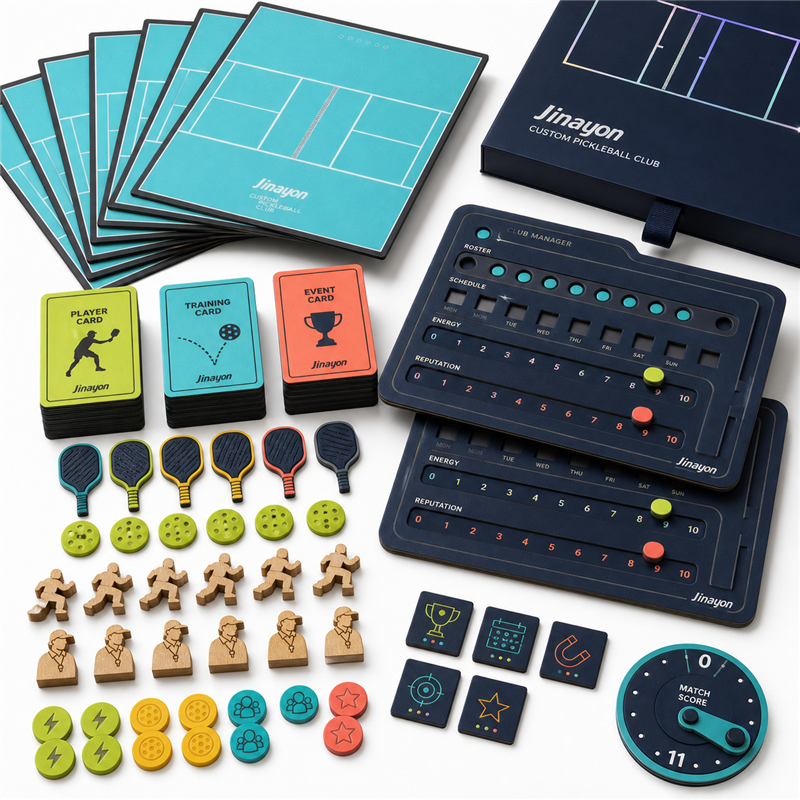
The best insert material comes down to balancing three practical questions: what components are you protecting, who is your target audience, and which markets will stock your game? A family-friendly card game can thrive with a folded paper divider. A miniatures-heavy skirmish game destined for hobby shops will almost always benefit from EVA. If you are scaling a retail product for mainstream shelves and need consistent alignment of dozens of small pieces, RPET plastic could be the right fit. There is no universal winner, and many hybrid designs combine paper outer dividers with targeted foam pockets for fragile parts.
| Contact Jinayon to Compare Paper, Plastic, and EVA Inserts Before Production
This custom matching process is exactly what our team at Jinayon handles for tabletop creators. Beyond cutting inserts, we offer a full board game manufacturing workflow: custom card printing, component kitting, box assembly, and shrink wrapping all under one roof at our Yiwu facility. We send physical sample sets so you can compare paper, plastic, and EVA side by side before locking your production file. Whether you are launching your first Kickstarter board game or refreshing packaging for an existing catalogue, we build inserts built to survive transit and delight players the second they lift the lid. Ready to lock in your insert design before print runs start? Reach out to Jinayon with your component sheet, box dimensions, and target markets. We will help you weigh protection, sustainability, and cost to build an organizer that fits your board game perfectly.
FAQ
Q: How does Jinayon help me choose between paper, plastic, and EVA inserts for my board game?
A: They don't push one material blindly. Jinayon asks what components you're protecting, who your target audience is, and which markets will stock your game. A family card game might thrive with a folded paper divider. A miniatures-heavy game destined for hobby shops usually benefits from EVA. A mainstream retail product with dozens of small pieces might need RPET plastic. They send physical samples so you can compare side by side before committing.
Q: What are the trade-offs of paper and chipboard inserts from Jinayon?
A: Paper and chipboard inserts are fully recyclable, lightweight for ocean freight, and easy to adjust during prototyping. They suit card-heavy party games, educational sets, and mid-range releases. The trade-off is limited impact protection—paper dividers warp in humid transit and can't cradle irregular or heavy pieces like metal coins or detailed miniatures. For small-batch eco-conscious campaigns, they strike a clean, earth-friendly balance.
Q: When does Jinayon recommend vacuum-formed RPET plastic inserts?
A: When you need crisp, precise cavities for dozens of unique components—every token, tracker, and stand locked in its own slot. It's common in mass-market board games for its consistent, polished look. But custom thermoforming requires dedicated mould tooling, making it less practical for limited runs or frequent design tweaks. It also adds compliance work for EU plastic packaging reporting. Best when artwork is locked and production volumes are stable.