Standard Card Sizes 63x88mm & 57x87mm: How Jinayon Matches Your Game Specs
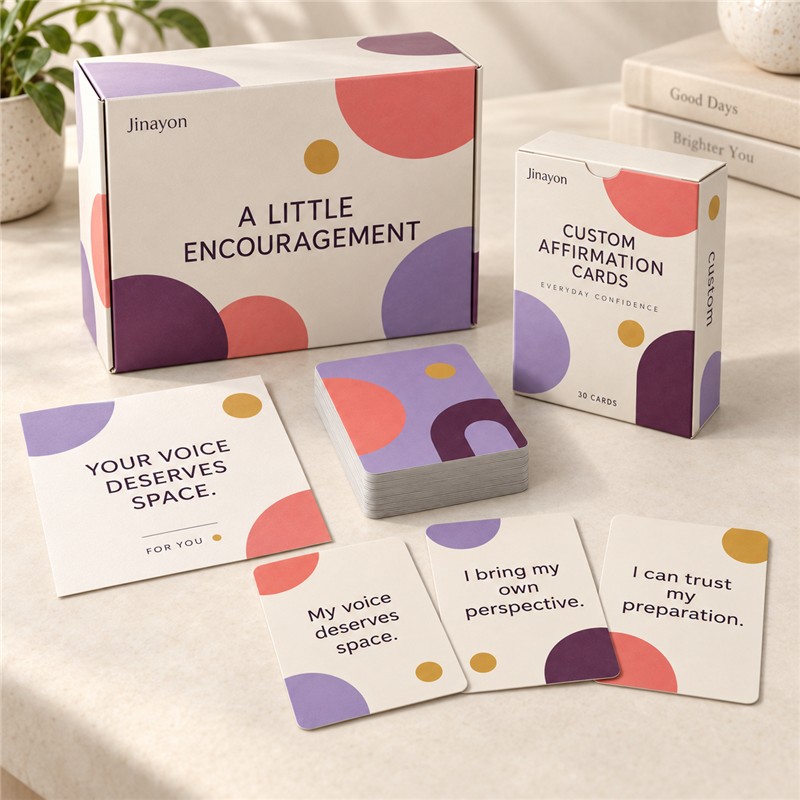
63×88mm poker size or 57×87mm bridge size? Jinayon doesn't just print to these specs—they check sleeve fit, tuck box layout, shrink wrap, and sheet imposition before plates are made. Poker size for detailed art, bridge size for big hands. Side-by-side samples let you feel the difference.
| Why Card Size Matters: How Jinayon Helps You Choose Between Poker and Bridge Size
If you've spent any time designing a custom card game or board game expansion, you know how easy it is to get stuck on specs. Many first-time creators fixate on artwork, card stock, and finishes, only to realize late in the process that their chosen card size doesn't work with sleeves, tuck boxes, or the game's core mechanics. Two dimensions keep popping up in our project files day after day: 63×88mm poker size and 57×87mm bridge size. These are the workhorses for custom playing cards, party games, educational card decks, and retail tabletop releases, and getting this choice right sets the whole project up for smoother sampling and production. At Jinayon, we don't just print to these measurements; we work through the full ripple effect of your size pick, so every part of your game lines up perfectly.
| 63×88mm Poker Size: Jinayon's Go-To for Premium Custom Playing Cards
Let's start with 63×88mm, the widely recognized poker size. This is the go-to standard for collectible playing cards, cardistry decks, poker sets, and most modern board game accessory cards. The extra width gives designers plenty of room for rich illustrations, flavor text, stat blocks, and layered graphic layouts without making everything feel cramped. It fits most widely available standard card sleeves, which is a huge selling point for hobby-focused games and TCG-style indie releases. We see this size most often from brands building premium retail decks, magic trick cards, and family party games where players want to look at detailed art while they hold the card in one hand. That said, there is a practical trade-off: when your game requires players to hold a large hand of seven, eight, or more cards at once, this wider format can start to feel bulky and awkward. That's where the 57×87mm bridge size comes into play, and it's far more versatile than many creators assume.
| 57×87mm Bridge Size: Jinayon's Slimmer Option for High-Card-Count Games
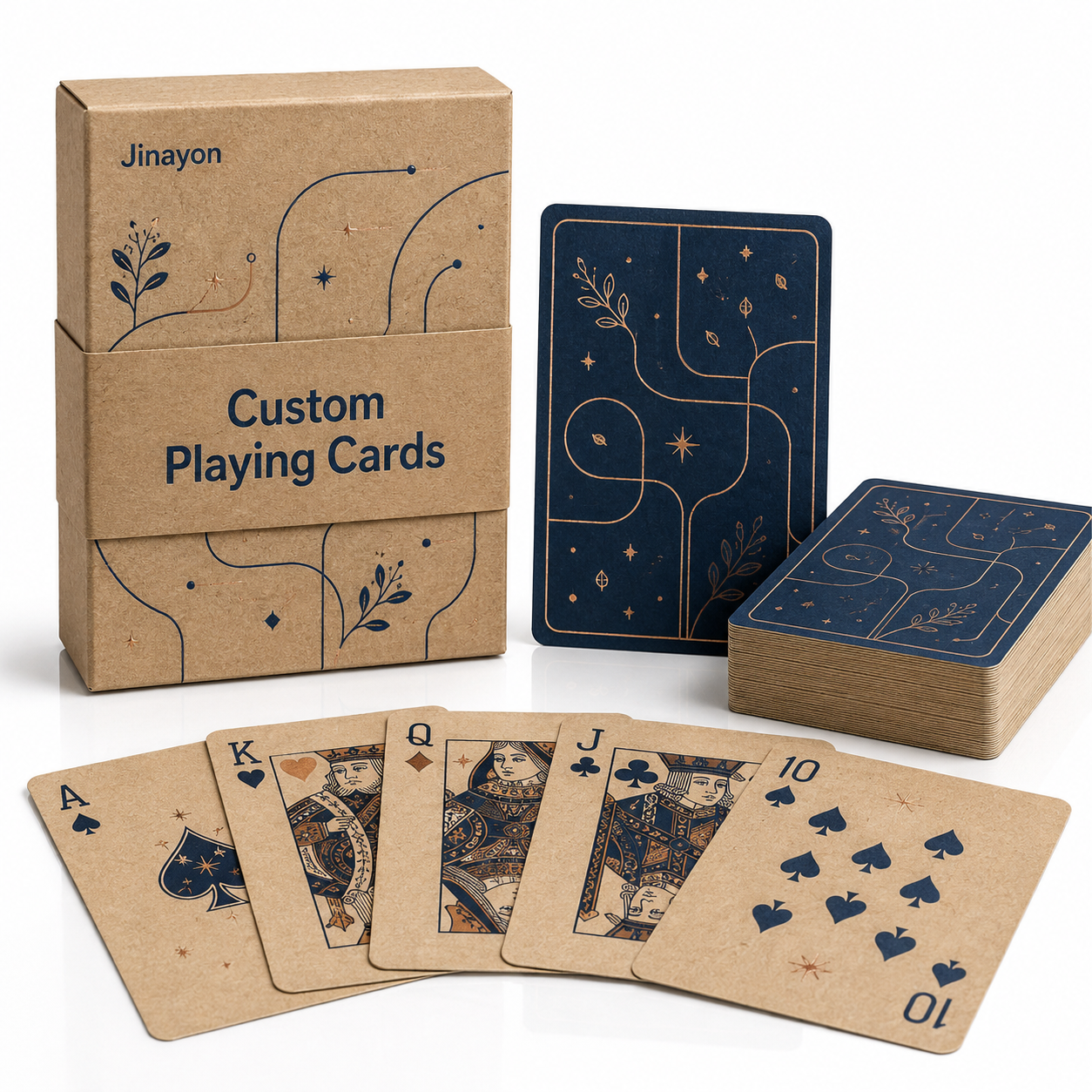
At 57×87mm, the narrower bridge size is built for high-card-count hands. If your game mechanic means players regularly draw and hold many cards, this slimmer profile stacks neatly and fans with less effort. It's a favorite for classic bridge decks, some educational flash card sets, children's card games, and compact travel game editions. We also notice growing demand for this size from creators designing budget-friendly promotional card decks and multilingual game sets that need to fit several lines of text without overcrowding the canvas. One point we always flag with our clients: bridge sleeves are less universal than poker sleeves, so we walk through packaging and accessory compatibility early on. A lot of designers overlook sleeve fit and custom tuck box dimensions until sampling, and that's exactly the kind of headache we help avoid at Jinayon before printing plates are made.
| How Jinayon Aligns Card Size with Tuck Boxes, Sleeves, and Production Planning
What makes our process different is that we treat card sizing as part of your whole game package, not an isolated number on a spec sheet. Once you lean toward 63×88mm or 57×87mm, our team checks the matching tuck box layout, shrink wrap fit, assembly workflow, and even sheet imposition to minimize waste and keep your unit cost predictable. Many of our overseas partners are developing small-batch prototype runs alongside mass production, and these two standard sizes are ideal for flexible MOQ planning because our tooling is already set up. We regularly support indie board game creators, licensed toy brands, and non-profit educational projects, and we can produce side-by-side physical samples of both sizes so you can test the hand feel, shuffle flow, and readability before locking in your final artwork.
| Contact Jinayon to Match Your Card Size, Stock, and Packaging
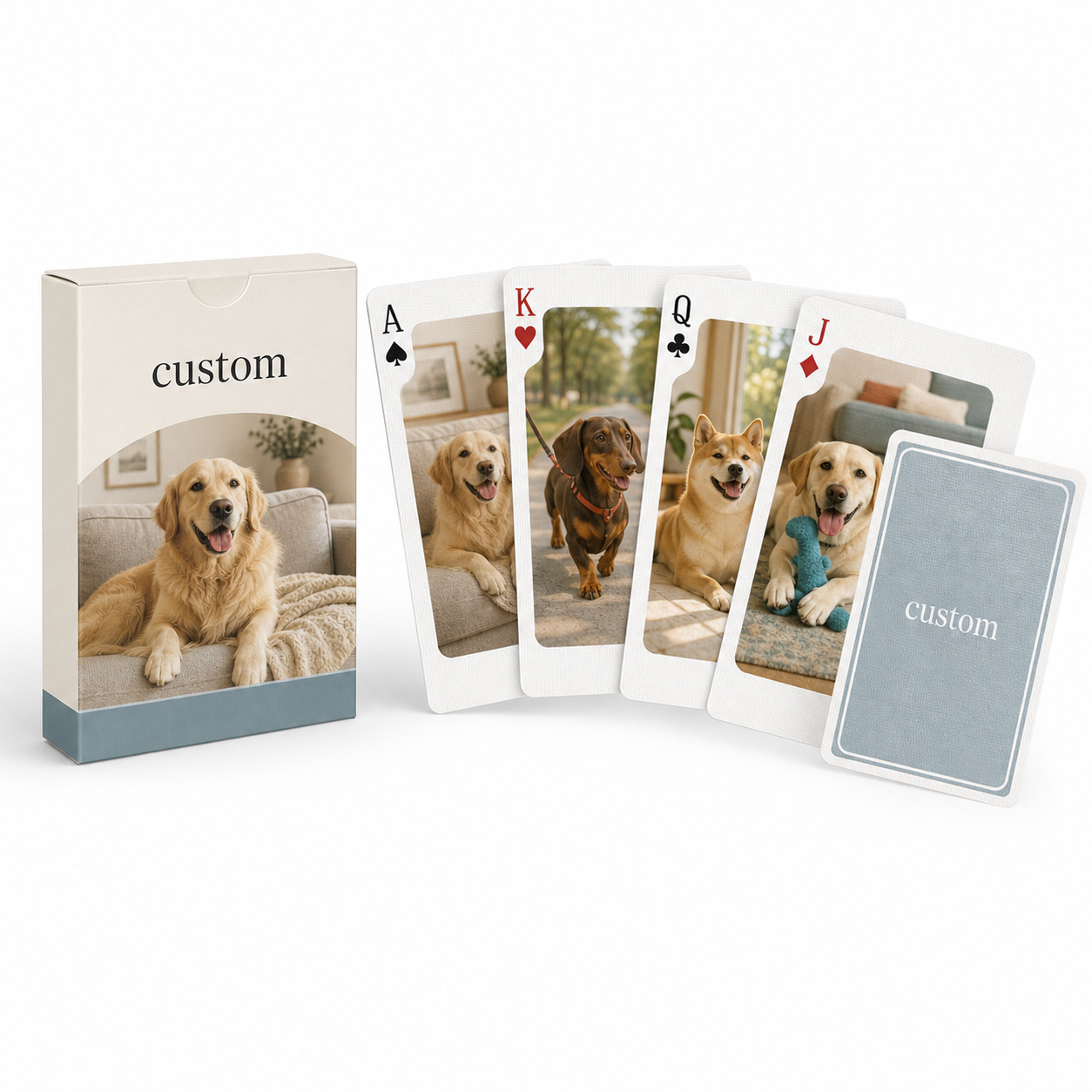
The tabletop game market keeps shifting toward modular games, travel-friendly compact sets, and custom promo card add-ons, and these two staple sizes remain the most reliable foundation for most new releases. Of course, we also offer fully bespoke card dimensions, but standard sizes 63×88mm and 57×87mm are still the safest starting point for most creators who want broad compatibility with hobby accessories, faster sampling lead times, and consistent pricing. If you are finalizing your custom playing card or board game card specs and aren't sure which size serves your game loop best, share your rulebook outline and target audience with us. Jinayon's production team will map out the right dimension, stock, finish, and packaging combination to match your vision.
FAQ
Q: What's the difference between 63×88mm poker size and 57×87mm bridge size for custom cards?
A: Poker size (63×88mm) is wider, giving more room for detailed illustrations, flavor text, and layered layouts. It fits standard card sleeves widely used in hobby games. Bridge size (57×87mm) is narrower, built for games where players hold many cards at once—it stacks and fans more comfortably. Both are standard, but they serve different play styles.
Q: When should I choose bridge size over poker size for my game?
A: Choose bridge size if your game mechanic involves players regularly holding seven, eight, or more cards at once. The slimmer profile stacks neatly and reduces hand fatigue. It's also good for compact travel editions, educational flash cards, and children's card games. Poker size works better when detailed artwork or stat blocks need more canvas space.
Q: How does Jinayon help avoid sleeve and tuck box compatibility issues?
A: They treat card sizing as part of the whole game package. Once you pick a size, their team checks matching tuck box layout, shrink wrap fit, assembly workflow, and sheet imposition. They flag sleeve compatibility early—especially for bridge size, since bridge sleeves are less universal than poker sleeves. This prevents the kind of headache that pops up during sampling if sizing isn't aligned from the start.